

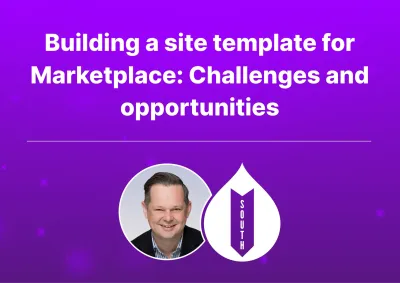
The Drupal marketplace is driving a shift toward high-quality, accessible, and easily maintainable templates tailored for specific industry verticals (like government, healthcare, and education).
Frequently asked questions
Morpht approaches digital transformations as a combination of strategy, user research, and technical delivery, not just a website rebuild. The agency's discovery process uncovers the business goals and user needs that should drive the project, ensuring that technology decisions serve users rather than organisational convenience. Morpht has experience delivering transformational projects for federal agencies where legacy technology, fragmented content, and outdated information architecture required fundamental rethinking rather than cosmetic improvement. The agency's track record of award-winning government transformations reflects this approach.
A meaningful digital transformation engagement looks at the whole landscape around the website; user and organisational goals, integrations (CRM, identity, marketing platforms), design systems, content structure, data migration, and organisational skills/training. Rather than treating the site as an isolated deliverable. If a "transformation" proposal only talks about the CMS, it isn't one.
Recurring failure patterns include underestimating the change-management and communication effort with stakeholders, treating content and integration work as afterthoughts to the technical build, and failing to plan for the ongoing operational model (who maintains what, post-launch), diligent communication and planning across these areas is what separates transformations that stick from ones that stall.
Not necessarily. Complex projects often benefit from a core delivery team partnering with specialists in adjacent disciplines (for example, dedicated user-research and content-strategy agencies) working across discovery, design, define and build phases together, provided there's a clear cross-functional lead accountable for the whole outcome.
Insights

Article
In the dynamic world of digital innovation, where content reigns supreme, the launch of Drupal CMS heralds a new era for creators, developers, and organisations alike.

Case study
AER embarked on a transformation journey, where Morpht rolled outa rigorous approach that encompassed extensive discovery phases, detailed content modelling, and the migration of numerous data sources.

Article
By embracing omnichannel experiences, encouraging data literacy, and investing in personalisation, government web teams can provide citizens with better access to information and services.

Article
Digital transformation initiatives typically involve developing a strategy, adopting new technologies, fostering a culture of innovation, and managing change effectively. Government organisations can avoid the common pitfalls we have seen through diligent communication and planning.

Article
The Future of Life Institute's letter calling for a pause on AI model training is the latest to emerge in AI news. Here is our take on what this means.

Article
Trends alone can't predict the future. But different perspectives on where technology is moving can help us make informed decisions. Content marketing is one area where the future looks like an amazing journey.

Article
A review of the recent myGov audit and how the approach to personalisation may be expanded to work across government websites and services to better serve Australian citizens.

Article
Why websites aren't getting smarter, and how to provide a better experience for your website's visitors.
Article
The world is changing rapidly. The developments in machine learning and artificial intelligence over the past decade have been significant with powerful models being developed and made readily available via APIs.

Article
Recombee can augment user experience and engagement by delivering content recommendations to users based on their behaviour and the similarity of content they view.
Article
The GovCMS platform is designed to help government agencies get online and to address the challenges and opportunities posed by Digital Transformation. This article looks at the new requirements of the DTO and how they apply to GovCMS.
Related content

Service
The discovery process uncovers the business goals and user needs for the project so that we can best deliver for success.
Service
UX design considers every element that shapes your interaction with a product or service, how it makes you feel, and how easy it is for you to accomplish your desired tasks.

Service
Designing content for purpose and structure so that it supports the needs of users.
Service
A site assessment takes the pulse and temperature of your site, forming a starting point for strategy and improvement.