

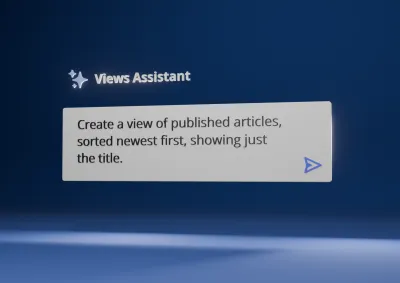
Stop writing prompts that sound like YAML. The Drupal Views AI agent now speaks plain English, and it brought a chatbot.
Frequently asked questions
Drupal wins decisively on security, compliance, and complex content architecture. Its permission system, security update cadence, and structured content model make it the default choice for regulated industries including government, finance, and healthcare. WordPress is faster and easier to deploy for simpler sites and marketing-led organisations, but its plugin ecosystem introduces significant security governance overhead at scale. For Australian government agencies in particular, Drupal's alignment with GovCMS and government security frameworks provides a compliance pathway that WordPress cannot match out of the box.
Drupal provides comparable enterprise capability to SiteCore and Adobe Experience Manager (AEM). Including personalisation, multilingual content, structured workflows, and API-first delivery - at a fraction of the licensing cost. AEM enterprise deployments typically run from low-to-mid six figures annually in licensing alone before implementation. Sitecore carries similar commercial overhead. Drupal is fully open source with no per-seat or per-usage licensing, making it the most cost-effective path to an enterprise-grade digital experience platform for organisations that don't want vendor lock-in.
Yes. Drupal's market share by volume appears smaller than WordPress because it deliberately targets the enterprise and government tier rather than the mass market. The January 2026 release of Drupal CMS 2.0 introduced Drupal Canvas (a visual drag-and-drop page builder), AI-powered page generation, and site templates, substantially improving the editor and marketer experience. The Drupal AI Initiative, backed by 30+ organisations and more than 50 contributors, has released a coordinated AI module with over 60 features, including an AI Observability module and Prompt Library. Drupal is actively investing in its future.
The Drupal AI Initiative launched formally in June 2025 and has grown to 30 sponsoring organisations, including Morpht, which joined as a Gold AI Maker. The 2026 roadmap covers eight capability areas: AI-assisted page generation, context management (brand voice and governance rules for AI), background agents that automate content tasks, design system integration, content creation and discovery, advanced governance with audit trails, intelligent website improvement driven by performance data, and AI search. Drupal's structured content architecture, the same quality that makes it trusted for government, turns out to be exactly the foundation AI needs to be trustworthy and auditable.
Drupal has built-in multilingual support that is considered industry-leading among open-source CMS platforms. It supports content translation, interface translation, language detection, and right-to-left language layouts, all natively, without third-party plugins. For Australian government agencies with obligations under the Language Services Policy or serving multicultural communities, Drupal's multilingual architecture is a significant advantage over platforms that bolt multilingual capability on via third-party modules.
Drupal is architected around structured content, allowing organisations to define content types, fields, taxonomies, and relationships that reflect their actual information architecture rather than forcing content into a one-size-fits-all model. This structured approach makes Drupal's content highly portable; it can be served via REST or GraphQL APIs to websites, apps, digital signage, and other channels. It also makes AI integration more trustworthy because AI systems can work with well-defined, governed content rather than unstructured blobs.
Latest insights
Article
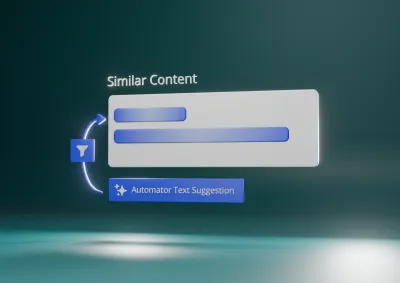
Your fields can now think. Route any Drupal field automator through a tool-using AI Agent and let RAG pick the answer.
Article
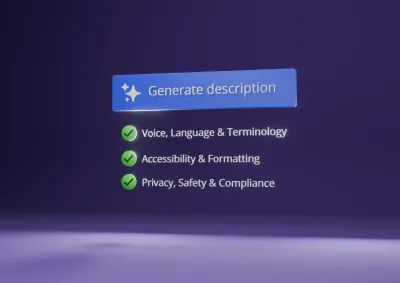
One rulebook for your AI: make every generated intro, summary and alt text follow the exact same governance as your chatbot.

Article
Your AI chatbot is making up its own rules. Here's how to make every answer follow yours instead.

Article
Explore the inner workings of the AI Chatbot module to customise the chat experience via hooks.
Article
An exploration of how to set up Drupal AI automators to improve the editor experience when maintaining content.
Article
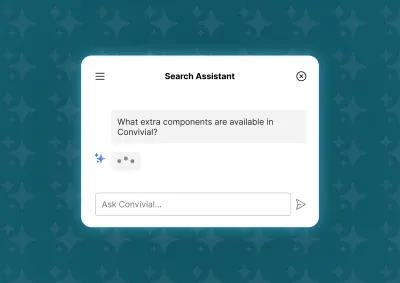
The Drupal AI module provides everything needed for a RAG chatbot. We cover the setup that government sites need to get right.

Article
Cypress is ideal for testing Drupal content moderation, but the learning curve is rather steep. Well, with the cypress-json-tests package, you can be done within a couple of hours.

Article
The Drupal marketplace is driving a shift toward high-quality, accessible, and easily maintainable templates tailored for specific industry verticals (like government, healthcare, and education).

Article
Morpht had an incredible time at DrupalSouth Wellington 2026 in New Zealand! The event brought together the Drupal community from across Australia and New Zealand for several days of learning, collaboration, and connection, all with the warm and welcoming atmosphere that Wellington is known for.

Article
The Morpht team is presenting at the upcoming DrupalSouth conference being held in May.
Article
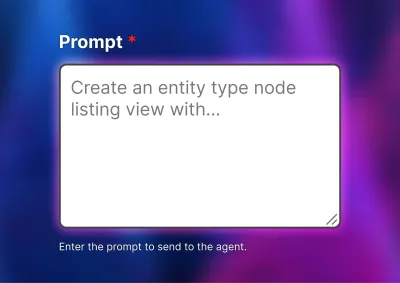
The Drupal Views AI agent allows site builders to create and update Views using natural language prompts, without ever opening the Views UI.
Article
In a recent DrupalSouth blog series, Murray Woodman was interviewed for some hot takes on the CMS landscape and Drupal’s positioning in the market.

Article
An exploration of the multifaceted implications of AI in Drupal core development, addressing both the challenges and the immense opportunities it presents.

Article
In a recent DrupalSouth blog series, Murray Woodman was interviewed for some hot takes on the new Drupal AI initiative and innovation in general.

Article
We are thrilled to welcome Jibran Ijaz to the Morpht team as a Senior Drupal AI developer.
Article
This guide explains how to automate your Cypress tests for a Drupal site using GitHub Actions. We’ll cover setting up a full CI environment, connecting a MySQL database, running the Drupal server, and executing end-to-end Cypress tests - all inside GitHub’s cloud runners. You'll learn practical tips to speed up builds with caching and securely handle environment configurations.

Article
This blog post provides a step-by-step guide to integrating a dynamic color palette feature into a theme in Drupal. It explores how CSS Variables enable seamless customization, enhance accessibility, and provide a no-code solution for site builders.

Article
Recombee is a “Recommender as a Service” which provides flexible and powerful ways to personalise recommendations for users.. This guide provides a step-by-step approach for integrating it into your Drupal website.

Article
This guide explores the benefits of integrating SendGrid with Drupal and demonstrates how to optimize email workflows with analytics and domain authentication.

Article
The Morpht team is presenting at the upcoming DrupalSouth conference being held in March.

Article
In the dynamic world of digital innovation, where content reigns supreme, the launch of Drupal CMS heralds a new era for creators, developers, and organisations alike.
Article
The Metatag 2.1.0 release introduces the powerful Metatag Custom Tags submodule, derived from the popular Custom Meta module. This new feature simplifies custom metadata management and enhances SEO.

Article
David Flores-Condezo presented insights from various government agencies, highlighting how they tackled common but complex GovCMS requirements at the DrupalSouth Community Day, held in Canberra on Thursday 14 November 2024.